by Janet Tifft | Nov 18, 2014 | Lessons
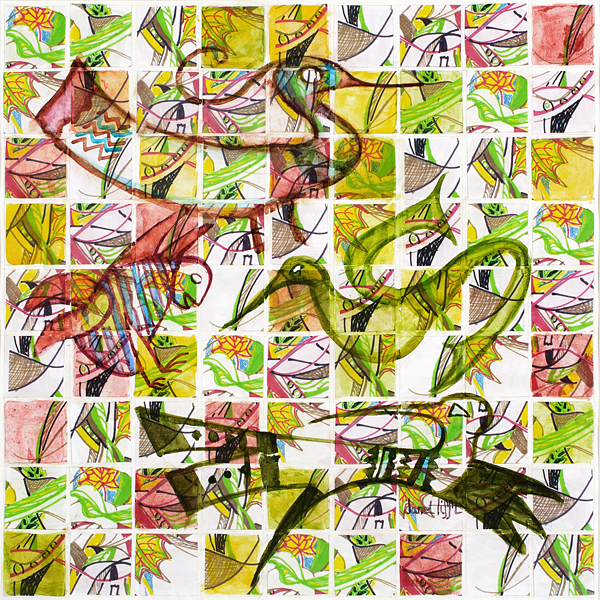
The artistic intent behind this painting was to solve a puzzle, Sudoku. Every sewer and/or quilter knows a NINE-PATCH. A Sudoku is 9×9 patch. Instead of using numbers, I painted a square using line, color, and pattern. This nonobjective image was reproduced 8 more times, and divided into a 9 patch, then pasted all together on a Sudoku grid using an established solution. Superimposed on top of the grid were some bird like shapes inspired by petroglyphs to create more visual interest. I’m not good at working with numbers but solving this puzzle was fun!
by Janet Tifft | Oct 21, 2014 | Abstract, Landscapes
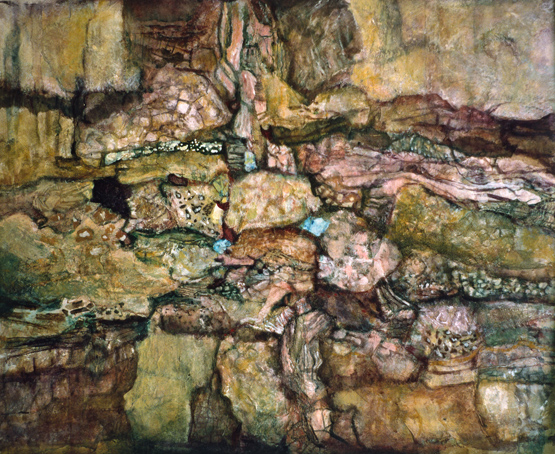 This painting kind of bridges a gap between nonobjective and abstract. Color, shape, pattern are all jumbled in a chaotic arrangement. The shapes are somewhat suggestive of rocks buried under ground and so could be considered abstract. The artist’s concept of “Middle Earth” – a term borrowed from Tolken – is highly imaginative.
by Janet Tifft | Oct 21, 2014 | Abstract, Homepage, Lessons
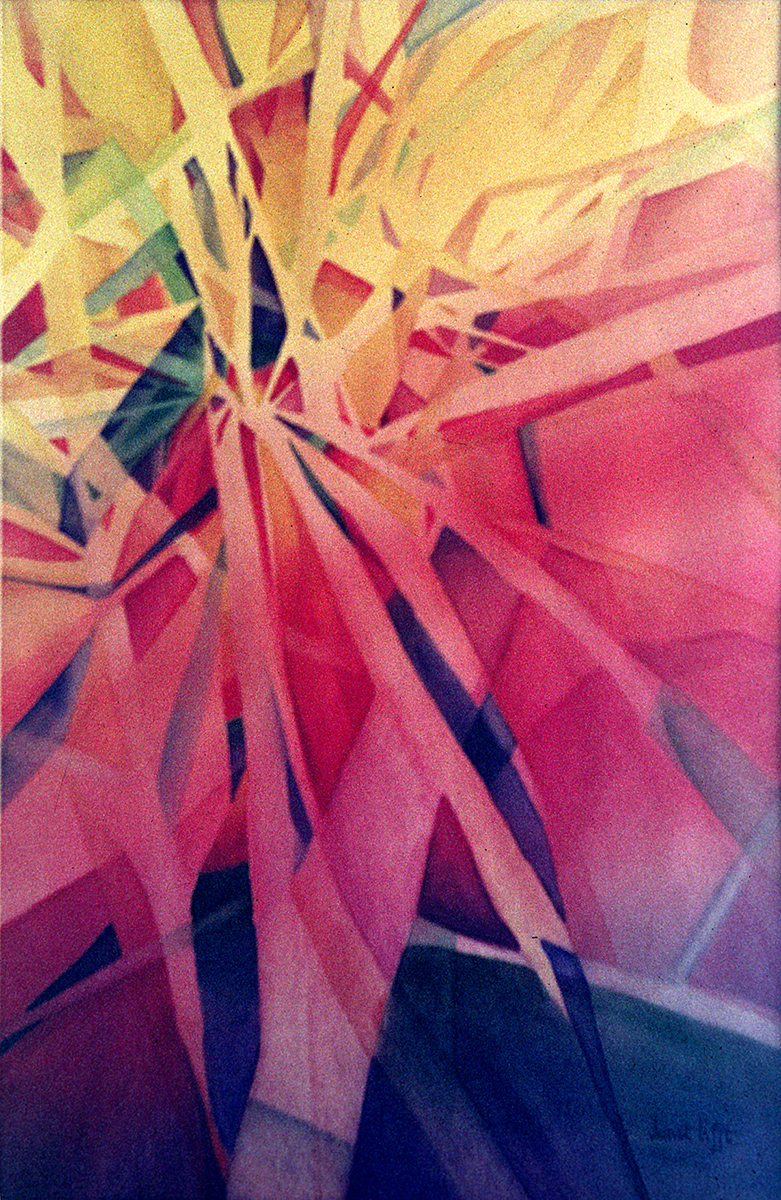
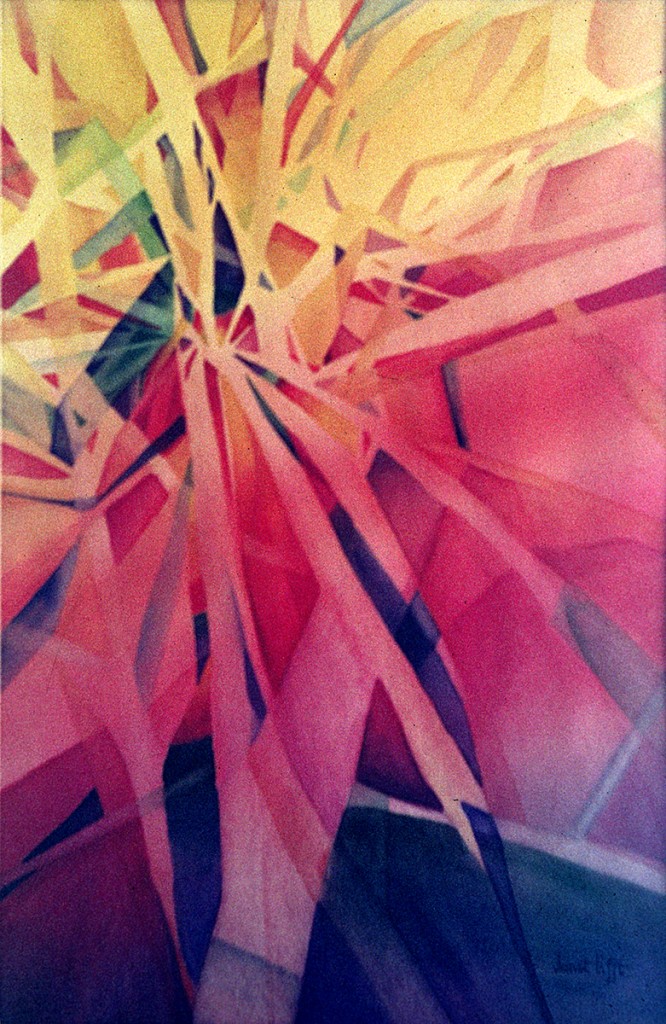 This painting can be considered non-objective rather than abstract. These two terms describe the intent behind the composition. A nonobjective painting uses color, shape, line without any reference to subject matter or recognizable images. An abstract painting can distort and exaggerate color, line, shape but usually there is some form of recognizable subject matter. Titles are always subjective, this title refers to my concept of the moments following what is known as the “big bang” in cosmology, when matter became visible. The progression of warm to very cool colors in the composition suggests temperature change and evolving matter. The many fractured shapes with radial directionality suggest chaos and a restructuring of material. In nonobjective and abstract paintings anything goes, there is a freedom implicit because there is no one right answer or way of depicting a concept.
by Janet Tifft | Oct 1, 2014 | Abstract, Florals & Still Lifes, Homepage, Lessons, Mixed Media
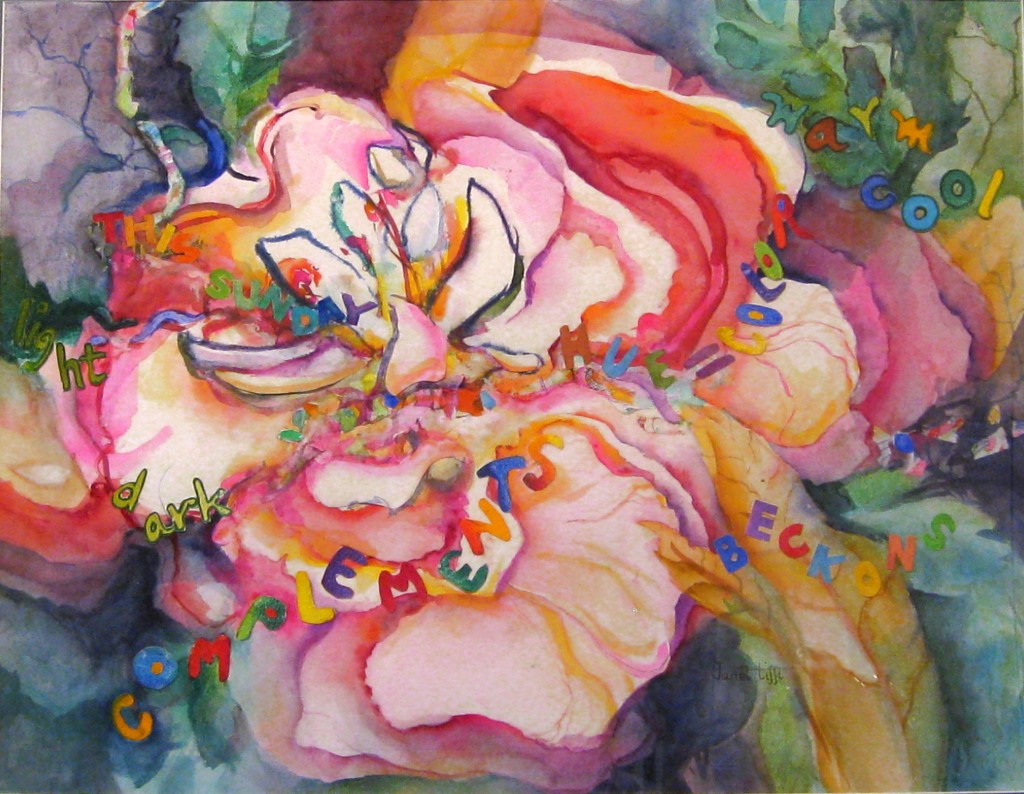
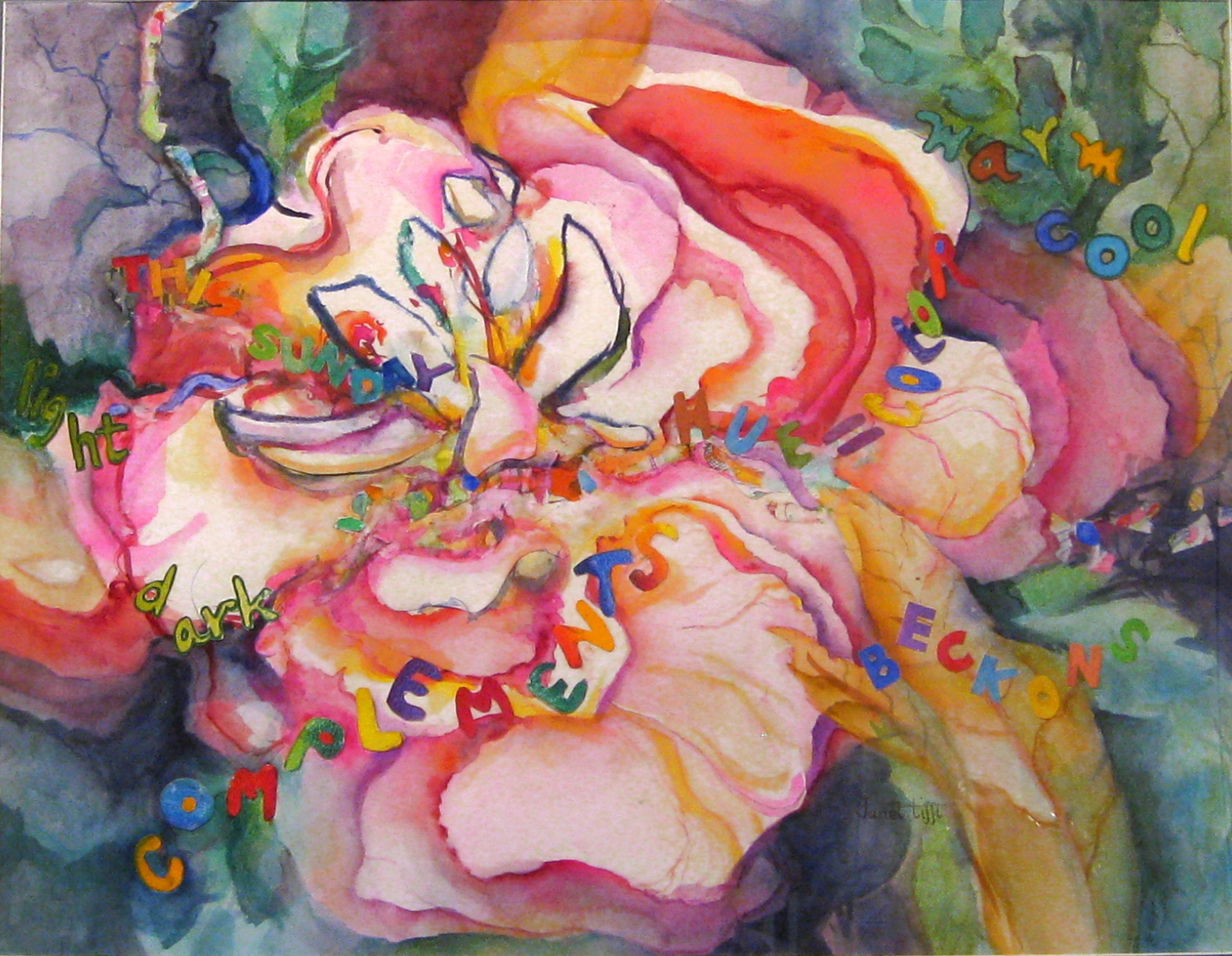
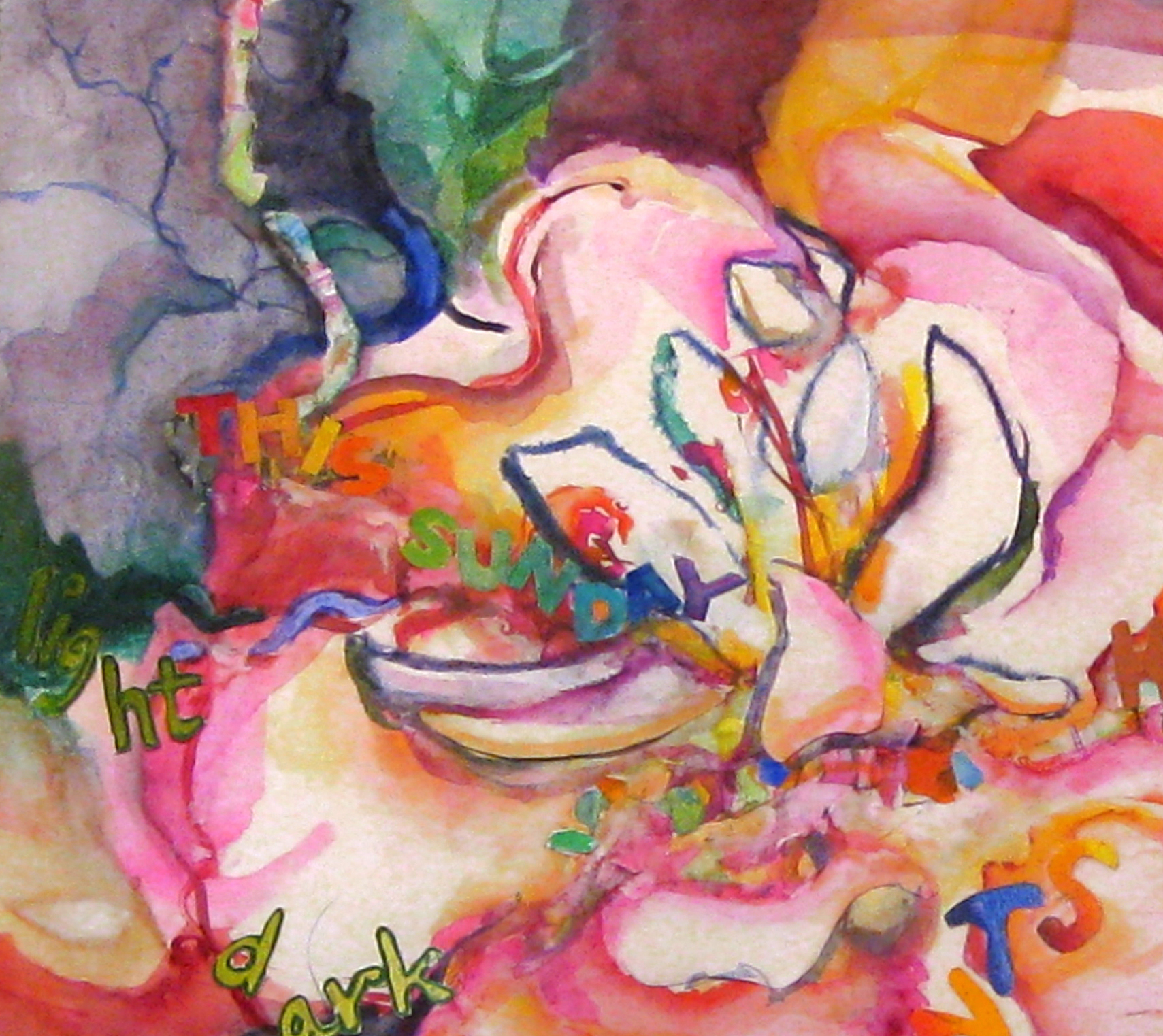
Gala – a close up of a recycled rose.
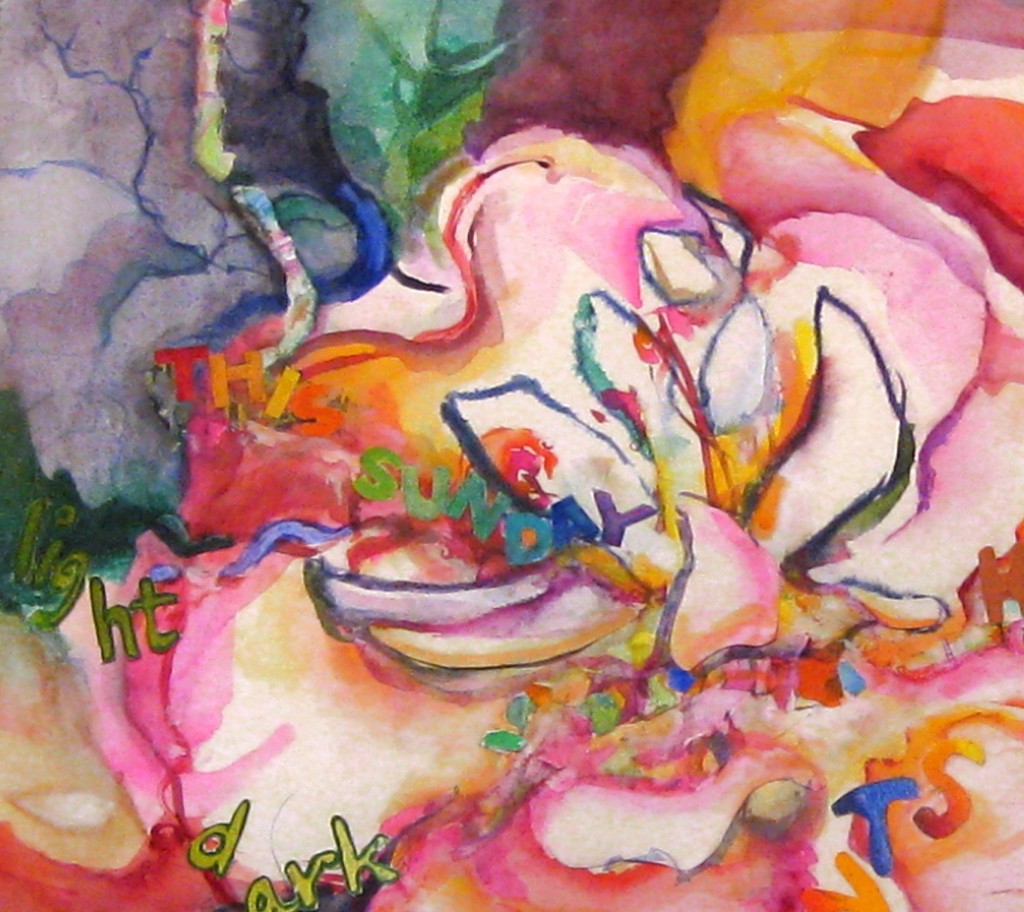
Cropping is a lesson in composition. All the parts still need to work together with a center of interest, directing the path of the eye to establish a flow and rhythm, keeping the viewer engaged. This is a game allowing all the aspects – format, lines, shapes, colors – to support each other.